

Physician Engagement - Where to Begin
Proven Pathway to Physician Engagement
Engagement is not a metric. Engagement is a two-way emotional commitment between professionals to fulfill a specific mission or task.
Engagement is situational and changes over time. It is a choice we make based on what we care about in the moment or in the future. It is a muscle that needs to be developed over time.
In the playbook below, we outline physician engagement, why it’s important and how HLI can help.
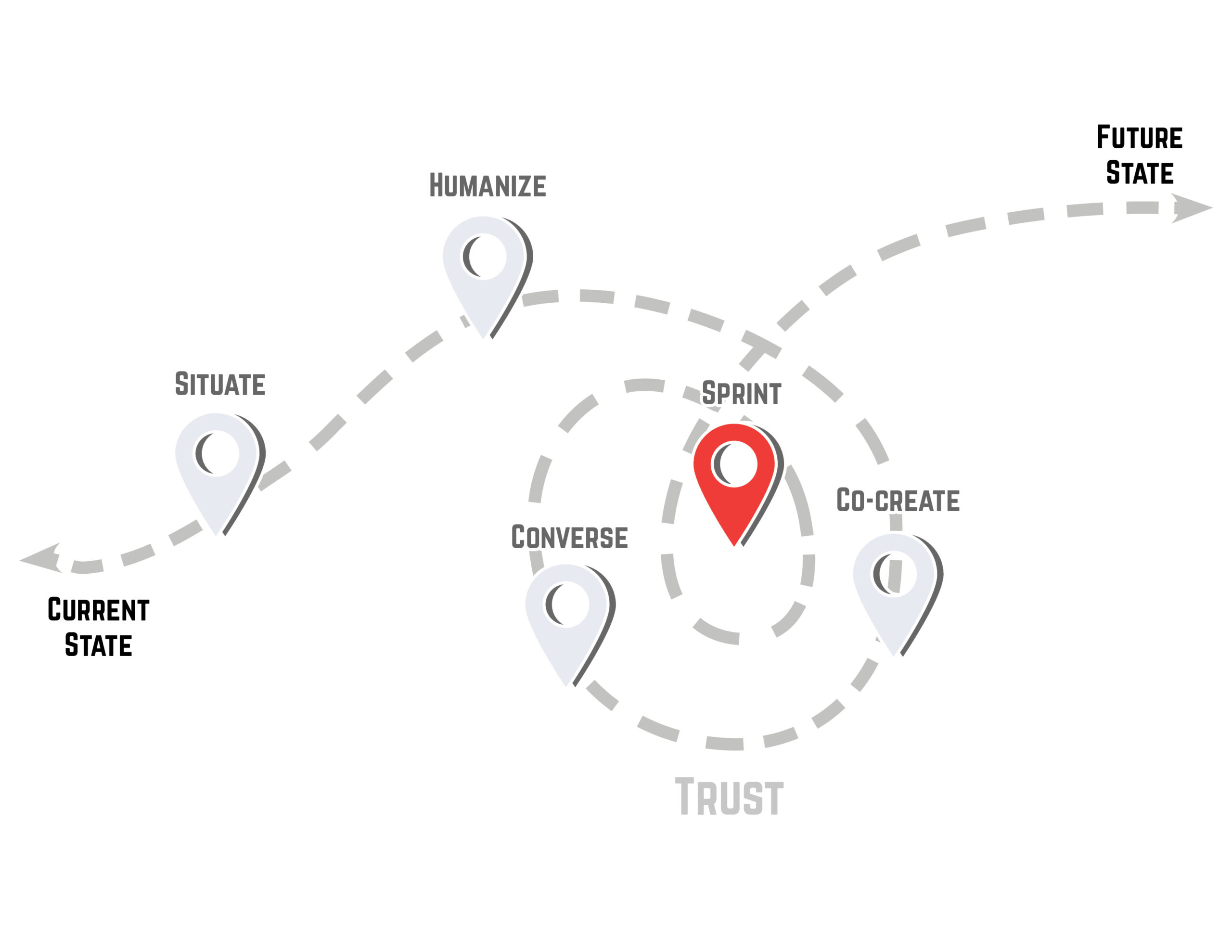
HLI Engagement Roadmap
Why Physician Engagement is Important
Healthcare experts agree that positive clinical and financial transformation will not be successful unless physicians are actively engaged and willing to help lead the way to necessary changes.
However, a recent study by Press Ganey shows that post COVID, physician engagement has fallen to 4.03 — the lowest level in the last decade. The three engagement items that declined the most among physicians were overall satisfaction, intent to stay (if offered a position elsewhere), and willingness to recommend the organization.
Symptoms of Low Engagement
Physicians will sometimes display the following symptoms as a sign of low engagement:
- Resistance to change
- Low attendance in key meetings and committees
- Unaware of, or indifferent to, financial implications of their actions
- High burnout rates
- High physician turnover
- Notable variation in practices and outcomes
- Threat of unionization
Lack of Engagement Factors
Through our research and extensive work with physicians, we found the main key factors for lack of engagement includes:
- System Factors
An increase in complexity of processes and hassle factors in how clinicians do their job effectively, including administrative tasks, EMR documentation, billing and pre-authorization, and more…
- The Quality of Leadership Factors
A Mayo Clinic study examined physician satisfaction, disengagement and burnout as a function of the quality of physician leadership especially in the trenches.
- Culture Factors
When the culture is not grounded in relationships, trust, mutual respect, peer support, and psychological safety, it leads to lack of engagement.
- Purpose Factors
Lack of alignment leads to morale injury especially when a common purpose and compelling sense of why we do the work we do is lost.
- Personal Factors
Lack of care for self, lack of boundaries, disconnect with our sense of purpose and ambition, lack of focus on personal priorities, managing energy, protecting time for renewal leads to burnout.
Our Proven Approach to Improve Physician Engagement
Our step-by-step physician engagement process involves:
Assess – Our team will help your organization to assess the current state including engagement surveys, burnout surveys and hassle factor surveys. Interview key physicians and leaders. Identify strategic priorities and potential focus areas.
Build – Together we will create an engagement strategy aligned to clinical and organizational priorities including where to focus and who to focus on. We will develop a project portfolio of hassle factors and culture challenges to engage groups of physicians.
Develop – Our team will work to develop and train physician leaders. We will work with specific teams, groups, and service lines in order to address engagement concerns. We can provide small group coaching and individual coaching for leaders as needed.
Transform & Sustain – We partner with you to create a hardwire structure for development and execution, develop internal capabilities, and monitor physician engagement progress.
Services we Offer to Improve Engagement
- Help clinical leaders develop engagement plans and maps
- Train clinical leaders to engage well with others (Boot Camps, Academies,…)
- Design Thinking sessions to design the work that you and your team would love
- Service line optimization
We wrote the book on Physician Engagement
"*" indicates required fields
What People Are Saying About Us

C. Edward Brown
CEO, The Iowa ClinicHLI (CTI) and its Physician Leadership Institute had a significant and positive impact on our physicians. Not only did they learn essential leadership skills, but also how to collaborate with others and think strategically, they were able to apply those skills immediately to projects that addressed important, real-world objectives for our health system!

Kim Miller
FACHE, CEO, Beaver Dam Community HospitalI can’t say enough about HLI's (CTI’s) Leadership Fellowship! The lectures were relevant and engaging and the exercises really drove the lessons home. The opportunity to complete a 360 evaluation and have a personal coach make this far better than other conferences and classes I have attended. If you’re given the chance to participate, don’t hesitate. It’s well worth the time. You’ll learn about leadership; you’ll learn even more about yourself.

Mary Beth Hines
DO, CMO, UP Health System Portage
