Mastering The Paradox of Going Slow to Go Faster: NASCAR Daytona 500
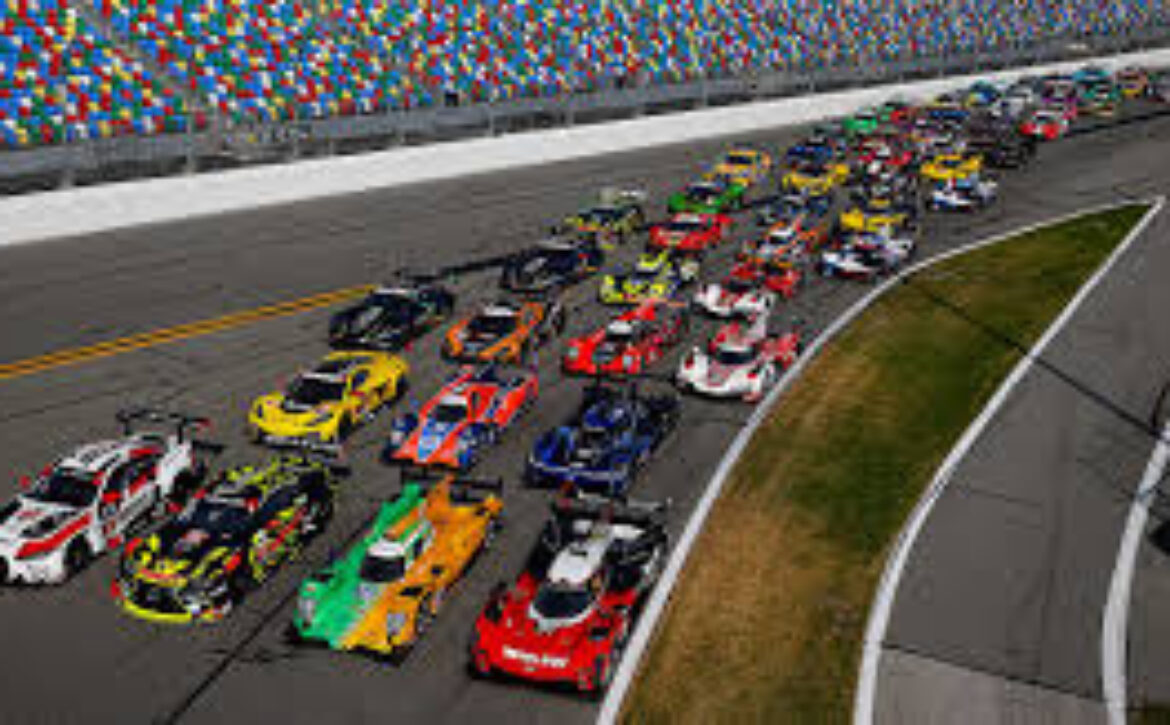
Mastering the Paradox of Going Slow to Go Faster: Lessons from NASCAR Daytona 500
Throughout last year and particularly in the wake of the COVID-19 pandemic, I’ve been emphasizing the importance of embracing a paradox of “Go Slow to Go Faster“ approach.
Whether it’s taking the time to appreciate the world’s beauty, engaging with our teams more deeply, or truly listening to others, slowing down holds profound benefits.
This realization struck me anew while watching the IMSA WeatherTech SportsCar Championship: Rolex 24 at Daytona this weekend.
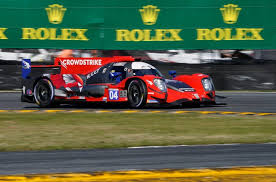
I was struck by a profound realization: in the fast-paced world of racing, sometimes you have to slow down to ultimately achieve greater speed. It may seem counterintuitive, especially in the context of auto racing, but the principle holds true. Here’s why:
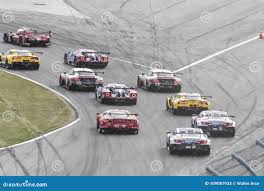
- Auto races are often decided in the turns, not on the straightaways. Negotiating turns skillfully is paramount.
- Speed exiting a turn is more critical than speed entering it.
- Entering a turn too quickly can lead to trouble—losing control, spinning out, or veering off the track.
- Maintaining a faster speed than competitors upon exiting a turn ensures an advantage throughout the straightaway, facilitating easy overtaking.
- Strategic slowing down and deliberate maneuvering lead to overall faster performance and fewer accidents.
This concept of “slow down to go faster” isn’t confined to the realm of auto racing; it’s equally applicable to our personal and professional lives. In life, slowing down allows us to appreciate the beauty around us—the chirping of birds, the magnificence of a sunrise or sunset—things we often overlook in our rush.
Likewise, in the workplace, there’s immense value in slowing down to listen attentively to patients histories, engage with our teams, and prioritize their input over haste. While the impulse to rush through tasks is understandable, there’s wisdom in knowing when to pace ourselves for greater effectiveness.
To implement this approach effectively, I advocate for applying the principles of Line of Sight, emphasizing deliberate slow down to plan and focus on four key elements:
- Clarify: Clarify your vision for the year and identify key priorities to align everyone’s efforts.
- Align: Evaluate whether an initiative or project aligns with your vision and priorities, ensuring optimal resource allocation. Otherwise, remove or reschedule it.
- Engage: Spend time on assessing and securing buy-in and commitment from key stakeholders to avoid the pitfalls of disengagement, a common cause of project failure.
- Sprint: Adopting a sprint-like approach, akin to pit stops in racing, enables regular assessments of progress, identification of obstacles, and formulation of focused action plans every 90 days.
By starting slow and methodically, akin to a race car navigating a turn, you set yourself and your projects up for success. As you exit the turn, poised and prepared, you’re primed to accelerate towards your goals.
In essence, the key is to embrace a mindset of deliberation and patience both at work and in life.
Are you grappling with leadership dilemmas? Interested in mastering the art of slowing down to achieve greater success in a world fixated on speed? Or perhaps you’re seeking guidance on becoming an exceptional leader? Reach out to me at mkasti@ctileadership.com for more insights and support.