The Most Overlooked Leadership Skill Today Isn’t Strategy—It’s Coaching
For decades, leadership has been defined by expertise.
The best leaders were the ones who:
- Had the answers
- Made the decisions
- Solved the problems
But that model is breaking down.
Today’s organizations are more complex, more dynamic, and more interdependent than ever. Leaders are no longer operating in stable environments where experience alone is enough.
Instead, they’re leading in conditions that require something very different:
- The ability to unlock thinking in others—not just provide it themselves.
The Shift from “Leader as Expert” to “Leader as Coach”
The leaders who will define the next era are not the ones who hold every solution.
They are the ones who:
- Inspire contribution
- Build trust
- Draw out ideas
- Develop capability in others
In other words, they lead with a coaching mindset.
A leader-as-coach doesn’t default to telling or directing. Instead, they:
- Ask thoughtful, strategic questions
- Listen deeply with curiosity
- Create space for reflection and ownership
- Guide others toward insight and action
This isn’t just a different style of leadership—it’s a different function of leadership altogether.
And it’s becoming essential.
Why Traditional Leadership Approaches Are Falling Short
In many organizations, leadership still looks like:
- Giving direction
- Solving problems quickly
- Driving execution through control
While these approaches can produce short-term results, they often create long-term limitations:
- Teams become overly dependent on the leader
- Innovation slows down
- Engagement decreases
- Burnout increases
The challenge is not effort—it’s approach.
Because in today’s environment, leaders can’t scale by doing more themselves.
They scale by developing others.

What It Means to Lead as a Coach
A leader-as-coach operates from a fundamentally different mindset:
Instead of asking:
“How do I fix this?”
They ask:
“How do I help others think this through?”
This shift has practical, observable behaviors. Leaders who coach effectively:
- Build strong, trusting relationships
- Create environments where it feels safe to speak openly
- Use empathy and curiosity to understand—not just respond
- Ask powerful questions that spark insight
- Co-create solutions instead of prescribing them
- Acknowledge both effort and results
- Help individuals reflect, learn, and grow
Over time, these behaviors transform how teams operate.
The Ripple Effect on Teams and Organizations
When leaders consistently apply a coaching mindset, the impact extends far beyond individual conversations.
Teams begin to:
- Take more ownership
- Solve problems more independently
- Collaborate more effectively
- Communicate more openly
Leaders shift from being the center of activity to becoming catalysts for performance.
And the outcomes are tangible:
- Improved team performance
- Stronger engagement
- Reduced burnout
- Higher retention of top talent
This is the difference between managing work—and multiplying capability.
Why This Skill Is So Hard to Develop
Here’s the paradox:
Coaching sounds intuitive—but it’s not natural for most leaders.
High-performing leaders often got where they are because they:
- Solve problems quickly
- Think decisively
- Take action
Shifting from “problem-solver” to “capacity-builder” requires unlearning as much as learning.
It means:
- Slowing down instead of stepping in
- Asking instead of telling
- Letting others struggle productively
That’s not a small adjustment—it’s a fundamental behavioral shift.
And it doesn’t happen through theory alone.

From Concept to Capability
Understanding coaching is one thing. Applying it consistently is another.
What actually builds this capability is:
- Practice in real situations
- Feedback on how you show up
- Observation of effective coaching in action
- Repetition until new habits form
Leaders don’t develop a coaching mindset by reading about it.
They develop it by doing it—and refining it over time.
A New Standard for Leadership
Organizations that are moving fastest are recognizing something important:
Coaching isn’t just a leadership tool. It’s a foundational leadership capability.
They are embedding it into how leaders:
- Lead conversations
- Develop talent
- Drive performance
- Build culture
Because every interaction becomes an opportunity to:
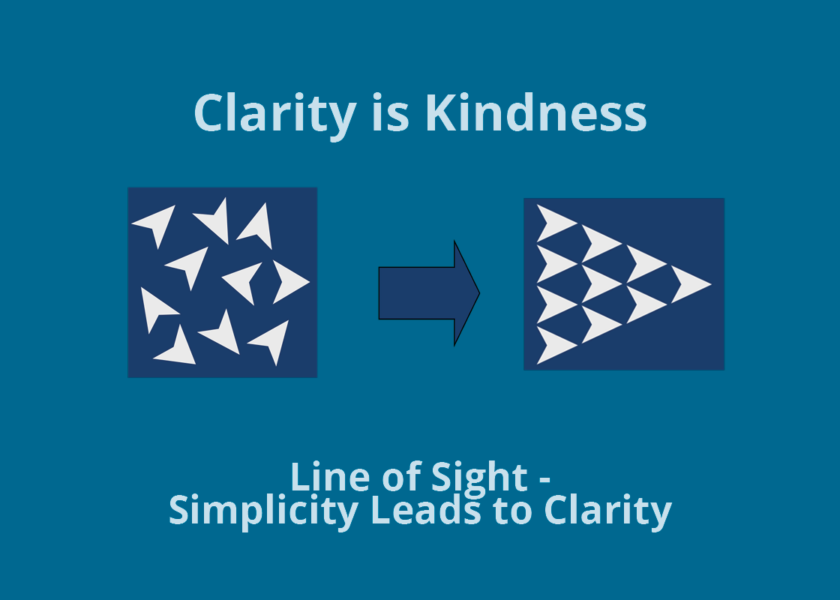
- Create clarity
- Shift thinking
- Enable better action
And when that happens consistently, performance compounds.
The Future of Leadership Is Multiplicative
In a world of increasing complexity, leaders cannot rely on individual capability alone.
They need to create environments where:
- People think more effectively
- Teams operate more independently
- Leadership exists at every level
That doesn’t happen through direction.
It happens through coaching.

The Bottom Line
Leadership is evolving—from driving results through control to driving results through people.
And that shift requires a new capability:
- The ability to coach.
Because the most effective leaders today aren’t the ones with the best answers.
They’re the ones who ask the questions that unlock everyone else.
Explore What This Looks Like For You
If you’re thinking about how this applies to your organization—or your own leadership—the next step is understanding how these skills are built and applied in real-world settings.
We’re here to help! Schedule a call to discuss your next steps!