Five Things They Don’t Teach You In Medical School
Medical school is a rigorous journey that prepares aspiring physicians to tackle complex medical challenges and provide high-quality patient care. While the curriculum covers a vast array of medical knowledge and technical skills, there are crucial aspects of being a successful and well-rounded physician that are often overlooked. Here are five essential skills that medical school doesn’t teach you.
Top 5 Things They Don’t Teach You in Medical School
 1. Financial Acumen
 1. Financial Acumen
While medical school immerses students in the science and practice of medicine, it seldom touches on the business side of healthcare. Understanding financial management, billing, coding, and healthcare economics is critical for any physician, especially those running their own practices. Physicians must also navigate contracts, insurance negotiations, and the complexities of healthcare regulations. Acquiring business acumen enables doctors to make informed decisions, ensuring the sustainability and growth of their practices while providing the best care for their patients.
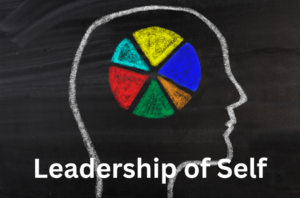
2. Leadership of Self to Include
Self Awareness: Self-awareness is the cornerstone of effective leadership and personal growth. It involves understanding your strengths, weaknesses, values, and emotional triggers. In the high-stakes environment of healthcare, being self-aware helps physicians manage stress, avoid burnout, and maintain a work-life balance. It also enables them to make better decisions, communicate more effectively, and build stronger relationships with colleagues and patients. Cultivating self-awareness is an ongoing process that requires reflection, feedback, and a commitment to personal development.
Humility: In the medical profession, humility is an invaluable trait. Physicians often face high expectations and immense pressure, which can lead to a sense of infallibility. However, recognizing the limits of one’s knowledge and abilities is crucial for continuous learning and improvement. Humility fosters a culture of openness, where physicians are willing to seek advice, acknowledge mistakes, and learn from them. It also strengthens patient trust, as patients appreciate doctors who listen, empathize, and treat them as partners in their care.

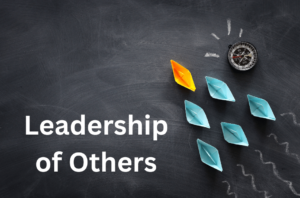
3. Leadership of Others
Leadership in healthcare extends beyond directing a team or managing a practice. It involves inspiring, motivating, and guiding others toward a common goal. Effective physician leaders possess emotional intelligence, the ability to delegate, and the skills to foster a positive and inclusive culture. They understand the importance of mentorship and professional development for their teams. Leadership training for physicians should encompass conflict resolution, strategic thinking, and the ability to navigate the complexities of healthcare systems.
4. Teamwork and Collaboration
 4. Teamwork and Collaboration
Modern healthcare is increasingly collaborative, requiring seamless teamwork among diverse professionals. However, medical training often focuses on individual performance rather than team dynamics. Physicians must learn to work effectively with nurses, specialists, administrative staff, and other stakeholders to provide comprehensive patient care. This involves clear communication, mutual respect, and an understanding of each team member’s role and expertise. Collaborative skills enhance patient outcomes, reduce errors, and create a more supportive work environment.

5. Communication
Effective communication is at the heart of patient care and professional relationships. Medical school emphasizes technical knowledge, but the ability to convey complex information clearly and compassionately is equally important. Physicians must communicate with patients, families, and colleagues in a manner that is understandable, respectful, and empathetic. Good communication skills enhance patient satisfaction, adherence to treatment plans, and overall health outcomes. They also play a vital role in resolving conflicts, making informed decisions, and leading teams.

Key Takeaways
While medical school provides the foundational knowledge and technical skills necessary for practicing medicine, it often overlooks these crucial aspects of a physician’s role. Financial and business acumen, self-awareness, leadership of others, teamwork and collaboration, humility, and communication are essential for a successful and fulfilling career in healthcare. By focusing on these areas, physicians can enhance their effectiveness, improve patient care, and navigate the complexities of the healthcare landscape with confidence and competence.
About HLI
As the leading healthcare training, coaching and consulting firm, HLI places great emphasis on cultivating enduring and collaborative partnerships with our esteemed clients, ensuring their success. Contact us online for more information about how we can help your organization with leadership training, coaching and more.