Building a High-Performing Executive Team at ECU College of Nursing: A Session for Success
Building a High-Performing Executive Team at ECU College of Nursing: A Session for Success

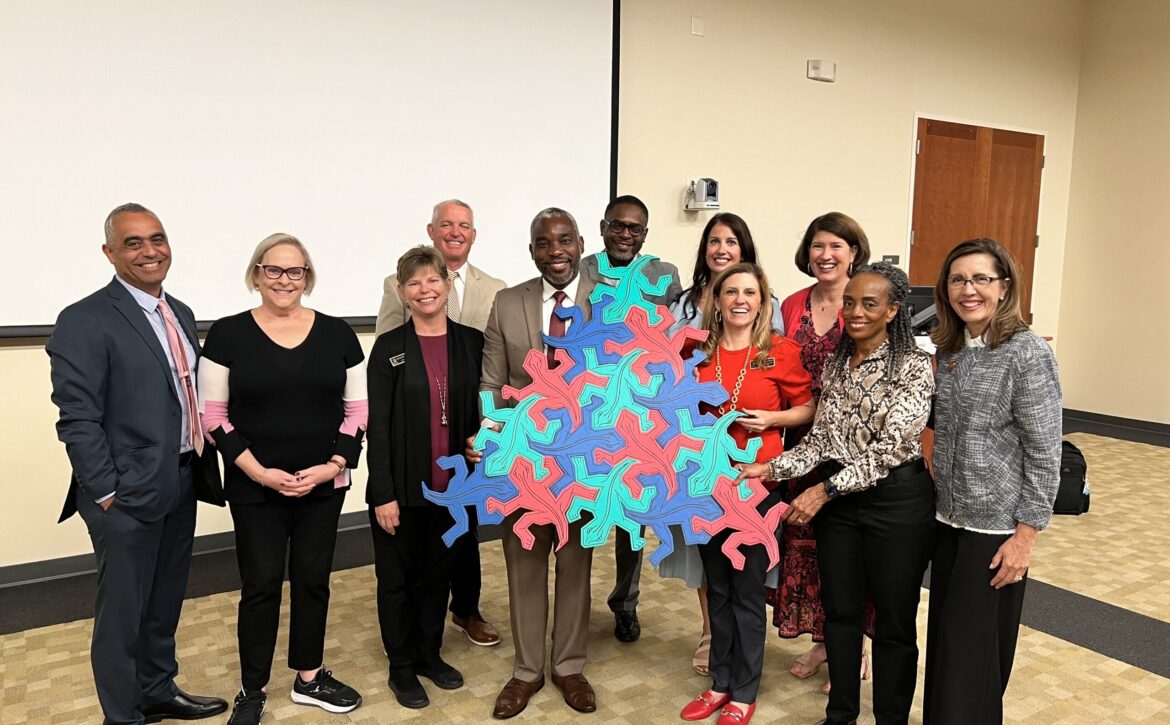
Recently, I had the privilege of facilitating an interactive session for the Dean Executive team at ECU College of Nursing. The focus of the session was on one of the most critical components for organizational success: how to build and sustain a high-performing executive team. Through active engagement, the session highlighted the key pillars of clarity, trust, open communication, commitment, and accountability for results. These elements are foundational for any leadership team aiming to drive strategic priorities and foster a culture of collaboration.

The Importance of Clarity and Trust
We began with a deep dive into clarity—a cornerstone for any successful team. Clear communication and defined roles are essential for ensuring that everyone knows not only their responsibilities but also how their contributions align with the broader goals of the institution. This clarity creates a strong Line of Sight, enabling the team to stay focused on strategic priorities while tracking progress and identifying areas for improvement.
Alongside clarity, trust emerged as a key driver. Trust allows team members to feel safe sharing ideas, voicing concerns, and holding each other accountable. Without it, open communication falters, and the foundation of the team’s strength weakens. Building trust requires consistent, transparent interactions and an environment where feedback is both welcomed and constructive.
Open Communication: Recognizing and leaning into different styles
No high-performing team can thrive without open communication. In this session, Using the DISC Profile for leaders, we emphasized the need for understand that not everyone has the same style of communication. Understanding own and other people different styles allows better coordination, collaboration and less potential conflict and misunderstanding. Open communication not only enhances team dynamics but also allows for the early identification of issues before they become obstacles to success.
Commitment and Accountability
A core aspect of the session was commitment—the collective dedication to the team’s vision and goals. This requires each individual to not only understand their role but also to be fully invested in the college vision. Commitment paves the way for accountability—ensuring that each team member takes ownership of their responsibilities and remains focused on achieving results.
Focusing on Strategic Priorities Together
Throughout the session, we explored ways to ensure that the team’s strategic priorities remained at the forefront of their actions. One of the key takeaways was the importance of regularly revisiting these priorities, ensuring that progress is being made and that the team is moving forward together. With clarity around these priorities and a shared sense of purpose, the team can more effectively allocate resources, make informed decisions, and overcome challenges.
Thank You to Dean Bim
None of this work would be possible without the leadership and vision of Dean Bim, whose continued investment in his team has set the stage for a thriving, high-performing executive group. His dedication to fostering an environment of growth and collaboration ensures that ECU College of Nursing remains a leader in academic excellence and healthcare innovation.
In closing, this session was a powerful reminder of the impact that strong, cohesive leadership teams can have on an organization. When clarity, trust, communication, commitment, and accountability are woven into the fabric of the team’s culture, the path to achieving strategic priorities becomes clear, and the results speak for themselves.