Medical Staff Leadership Retreat – Bingham Healthcare
Fostering Leadership Excellence at Bingham Health: A Journey of Pragmatic Optimism and Collaboration
In the ever-evolving realm of healthcare, effective leadership among medical staff is essential to fostering a culture of excellence, collaboration, and continuous improvement. Leadership in healthcare not only guides the strategic direction of organizations but also influences the daily practices that ensure patient safety and care quality.
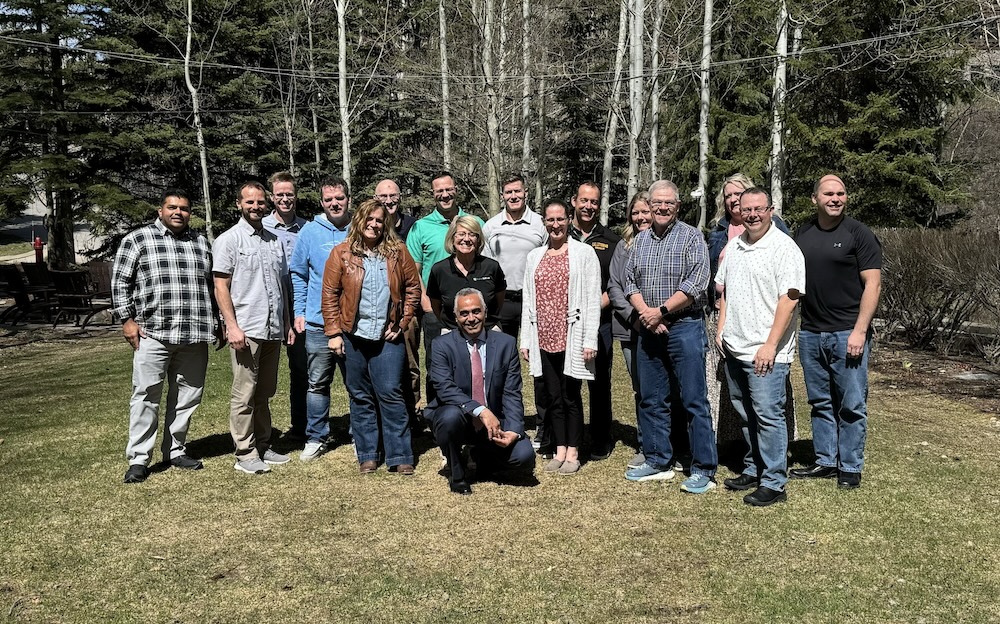
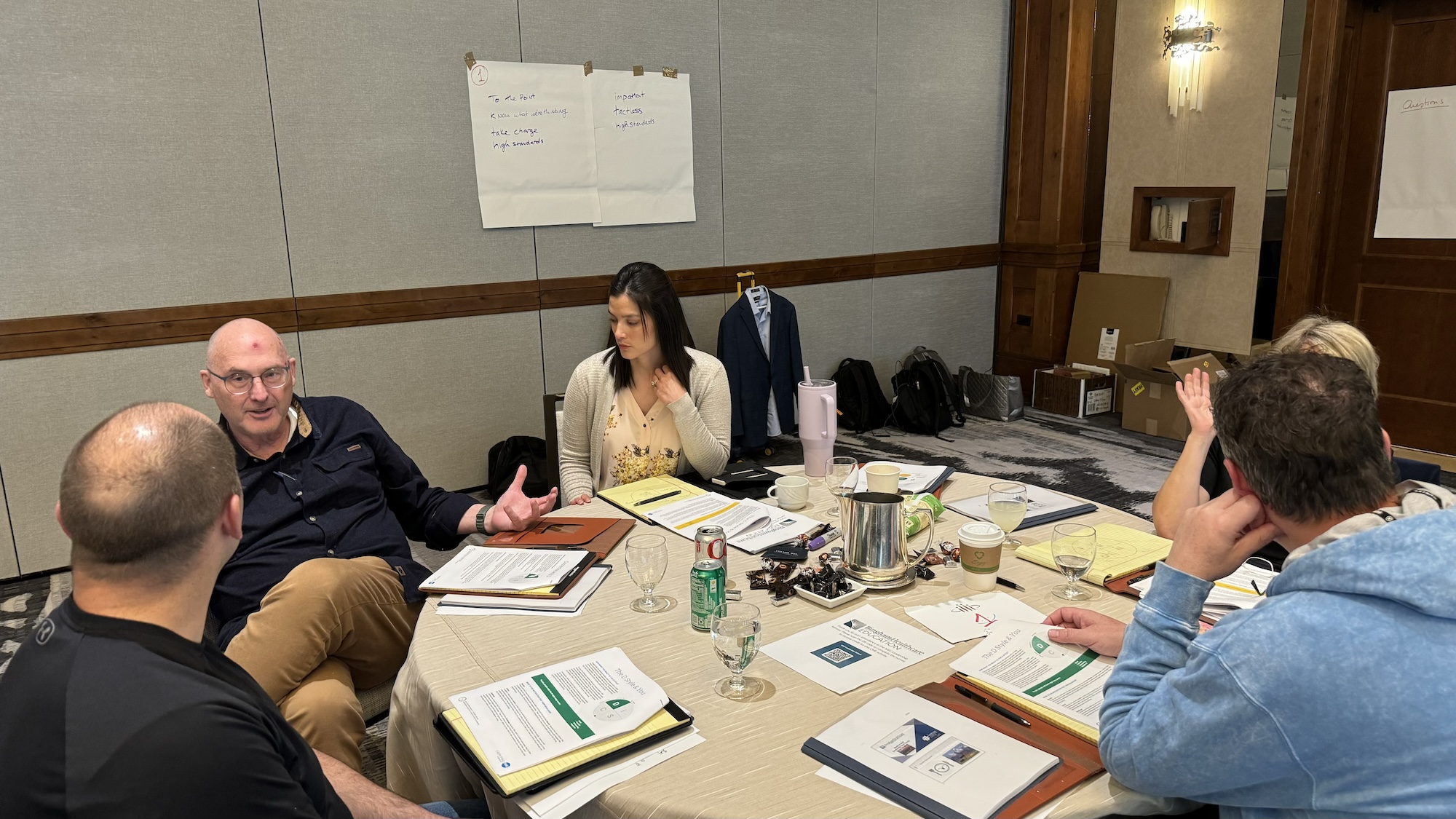
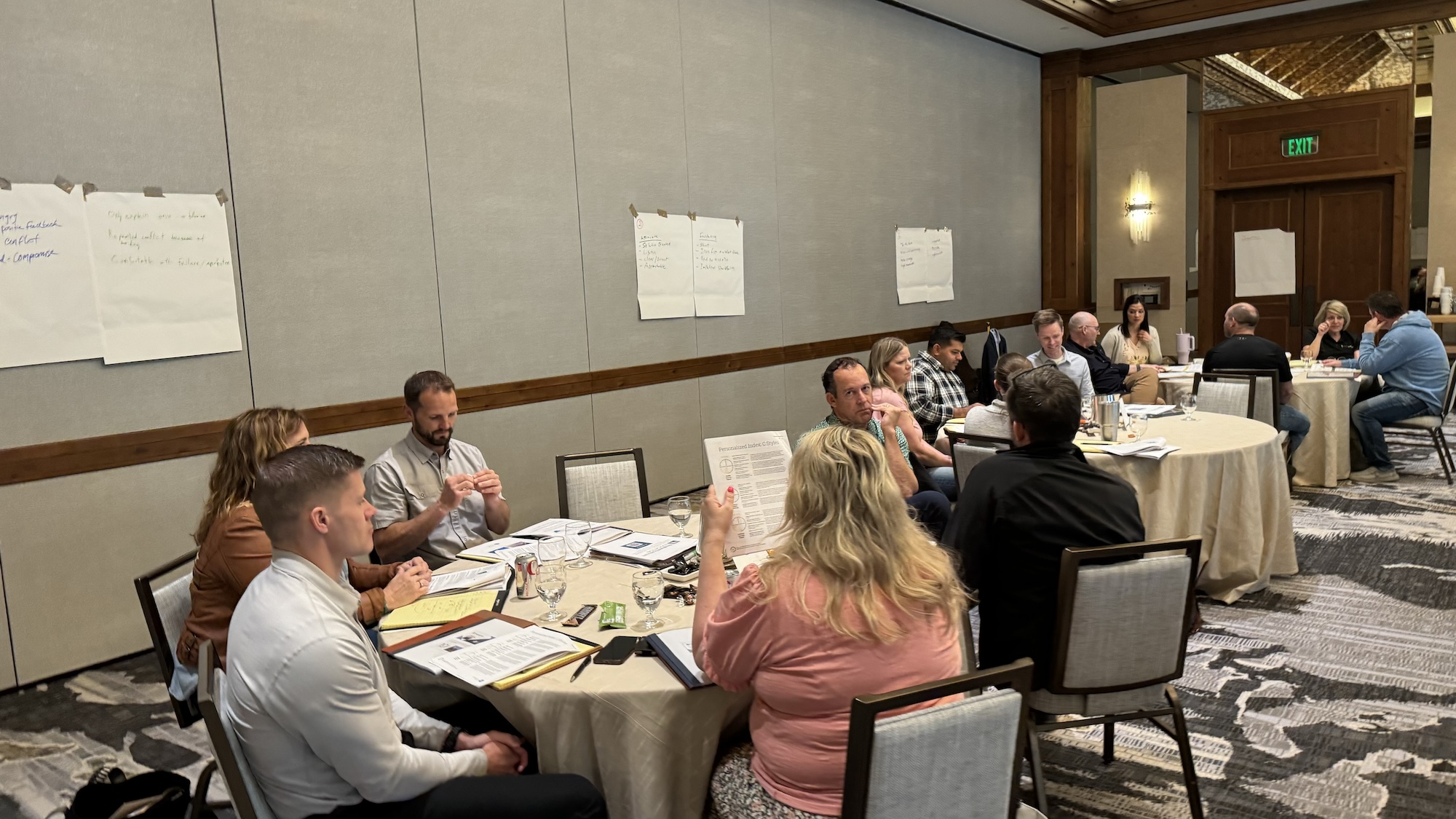
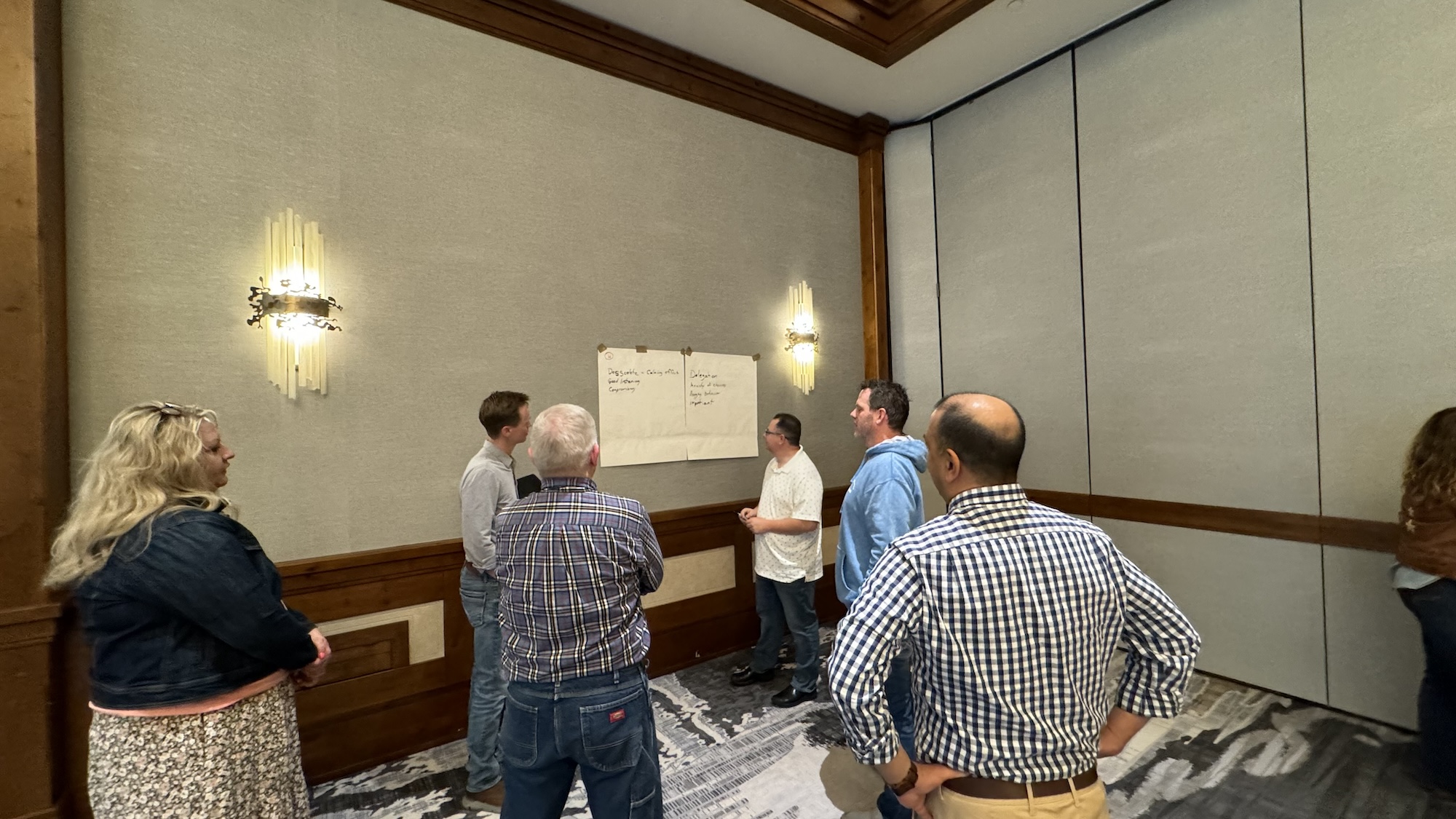
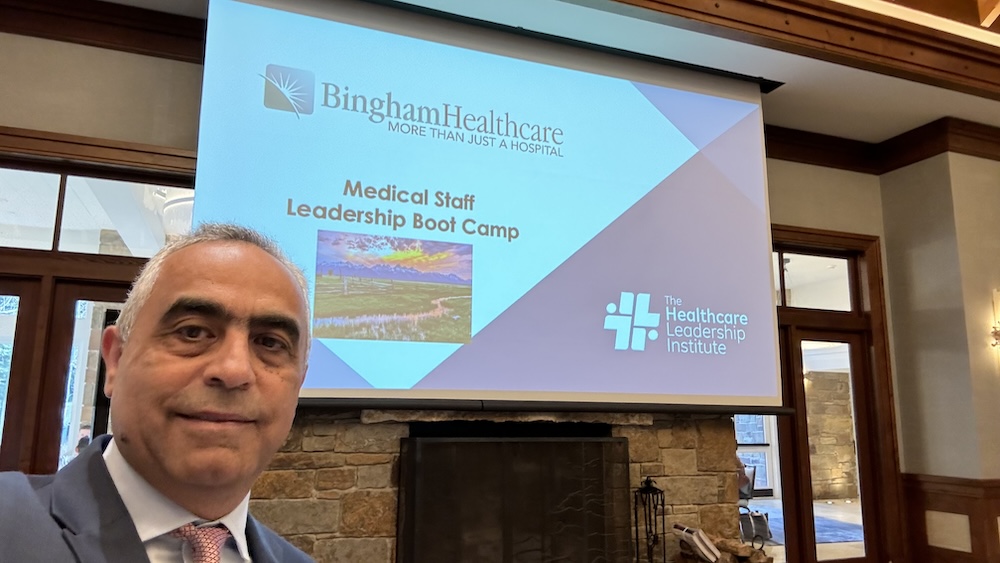
On May 3 and 4, 2024, HLI CEO Mo Kasti and CMO Dr. Manoj Pawar partnered with Bingham Healthcare‘s Medical Staff Leadership to explore core concepts that are fundamental to leadership and organizational success. Here’s a highlight of the enriching session topics and key takeaways.
Embracing Pragmatic Optimism
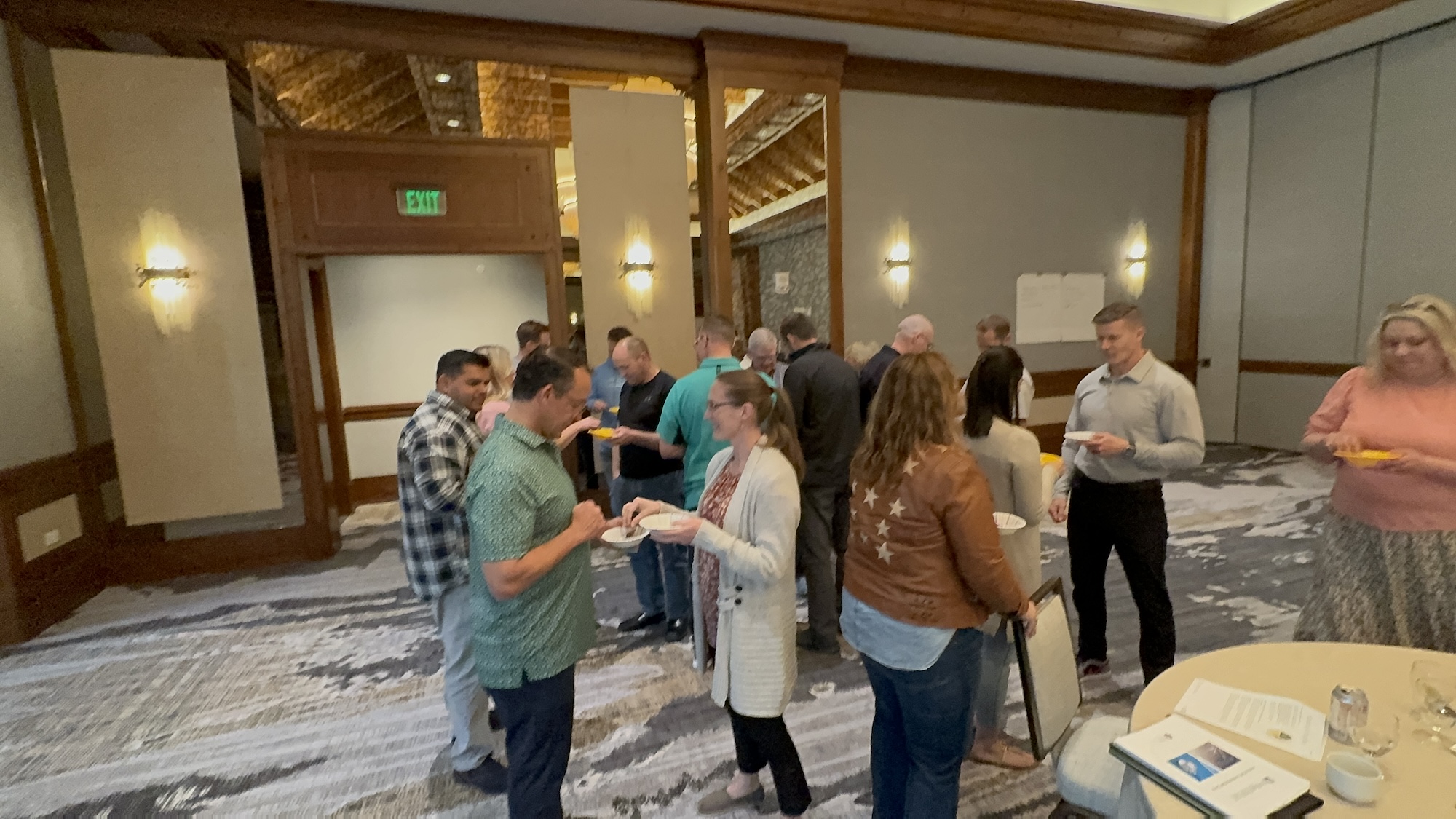
We began our journey by exploring Pragmatic Optimism. This concept is not just about positive thinking; it’s about reality-based thinking coupled with the confidence to overcome challenges and create a desired future together. We discussed and simulated Shackleton’s story of courage and Pragmatic Optimism, illustrating how his ability to inspire hope, optimism, and teamwork through the worst conditions of Volatility, Uncertainty, Complexity, and Ambiguity (VUCA) can be a powerful model for healthcare leadership.
Collaborating Across DiSC Styles
Understanding and leveraging diverse communication styles are crucial for effective collaboration. We used the DiSC model as a framework to recognize and appreciate the tendencies and preferences associated with each dimension of behavior: Dominance, Influence, Steadiness, and Conscientiousness.
Building a High-Performing Governance Team
We discussed the success factors of high-performing Medical Executive Committees (MECs) and the behaviors, needs, and leadership skills required to move up the high-performing MEC continuum.
Credentialing and Privileging
Credentialing and privileging are fundamental processes for maintaining high standards of care. We reviewed foundational principles and best practices for effectively conducting these activities.
Managing Disruptive Behaviors in Healthcare
We identified four types of personalities that can sabotage teams and decrease collaboration: Complainer, Cynic, Care Taker, and Controller. Understanding and managing these personalities is crucial for maintaining a collaborative environment.
Providing Constructive Feedback
Effective feedback is a gift that facilitates growth and improvement. We reviewed key best practices for giving constructive feedback and used the SBI (Situation-Behavior-Impact) framework for providing honest and clear feedback.
Peer Review
Peer review is essential for maintaining professional standards and improving quality. We discussed both Ongoing Professional Practice Evaluation (OPPE) and Focused Professional Practice Evaluation (FPPE) and the characteristics of excellent peer review cultures.
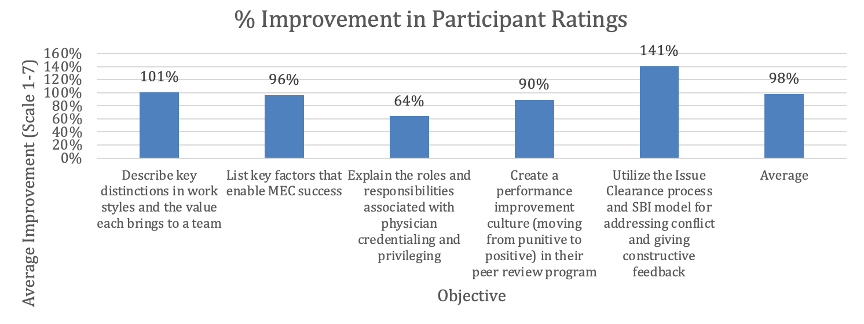
The session was highly effective, with participants showing an average 98% improvement across all objectives.
100% of participants said they would recommend the session to others.
Key learning objectives included:
- Describing key distinctions in work styles and the value each brings to a team.
- Listing key factors that enable MEC success.
- Explaining roles and responsibilities associated with physician credentialing and privileging.
- Creating a performance improvement culture in peer review programs.
- Utilizing the Issue Clearance process and SBI model for addressing conflict and giving constructive feedback.
Through these discussions and activities, we reinforced the foundational principles that drive our work at Bingham Healthcare. Bingham Healthcare’s Medical Staff Leadership is poised to navigate the complexities of the healthcare landscape with confidence and collaborative spirit, always striving for the highest standards of excellence.