Prepaid Model of Care
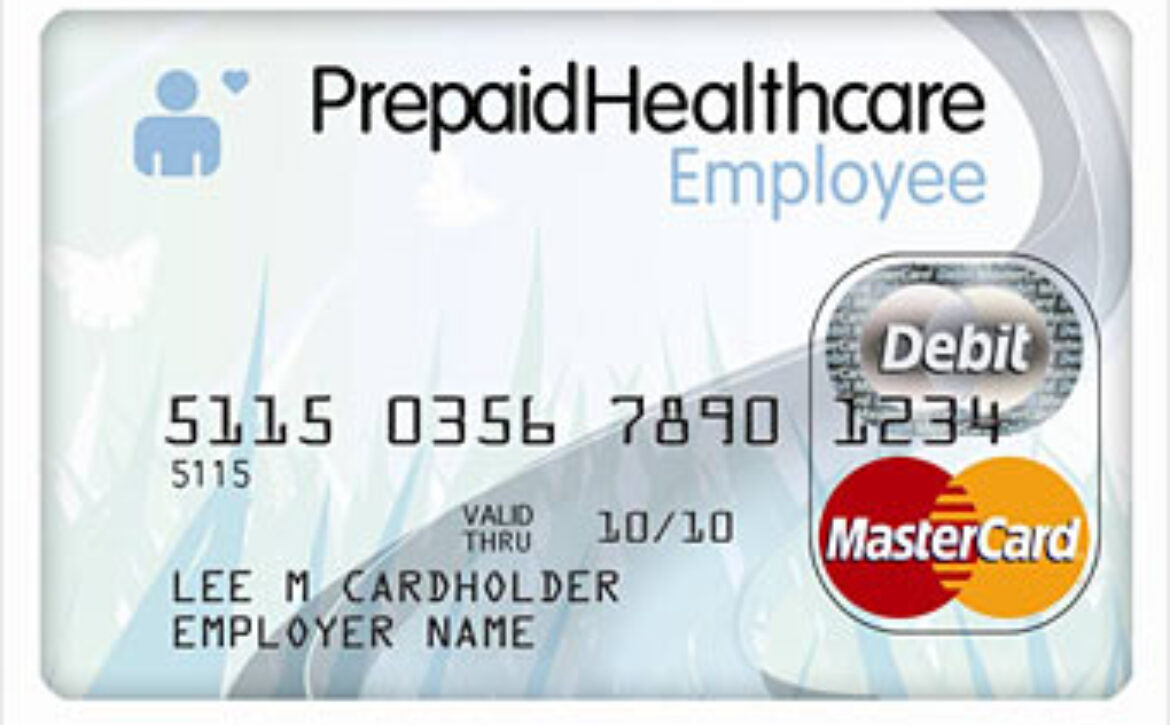
Imagine the amount of money saved is we cut the middle man between payor (employers + Government) and the providers. Let the providers take all the risk. They are moving to full risk anyway!
Intermountain seems to be trying to figure out how to reduce cost and deal with shortage of providers.
Intermountain wants a ‘prepaid’ model for care
Dan Liljenquist, chief strategy officer for Intermountain, at the Becker’s 11th Annual CEO+CFO Roundtable on Nov. 13-16 in Chicago.
“Unless we’re focused on changing the way the payment flows first, all of the stuff we’re doing is on the margins. And by the way, there aren’t nearly enough people coming through because these interventions at the end are extremely human resource dependent,” said Mr. Liljenquist. “It takes a lot of effort to take somebody in an ICU and try to patch them up and send them home. What do you send them home to? We are focused at Intermountain on changing the payment model.”
Healthcare is now very transactional, Mr. Liljenquist said, and organizations can use tools to manage costs. Why not convert services to a prepaid model for patients to access services needed quickly and easily, needing fewer clinician resources? Would patients stay well longer and avoid preventable diseases?
The ability to reduce costs and create value will be essential as the physician and nurse shortages grow while the demand for healthcare providers accelerates. Medicare Advantage plans are also growing, much to the chagrin of many providers, who may opt out and create additional access challenges, Mr. Liljenquist said. The higher demand for care coupled with fewer clinicians may also increase the cost of care.
“We’re focused on, if we can be prepaid, how do we create new models of care that allow somebody to get the services they need without having to see a provider,” Mr. Liljenquist said. “If you think about it, we have a lot of business that’s flowing through doctors that is transactional in nature, where the doctor has to see a patient to generate a code to generate a bill, and there just will not be enough doctors. At the end round, we’re leaning heavily into a system-patient relationship trying to figure out what are the components of healthcare we can offload to a system that doesn’t have to flow to a doctor to see a patient.”
Basic healthcare services can be streamlined into virtual care or completed through a technology-driven solution, he said. The prepaid model supports value-based care transitions as well, giving physicians the freedom to provide the best care possible for patients and try new treatments.
Continue reading here: Becker’s Hospital Review