Leading During Crisis – Lessons Learned from Southwest Holiday Travel Meltdown
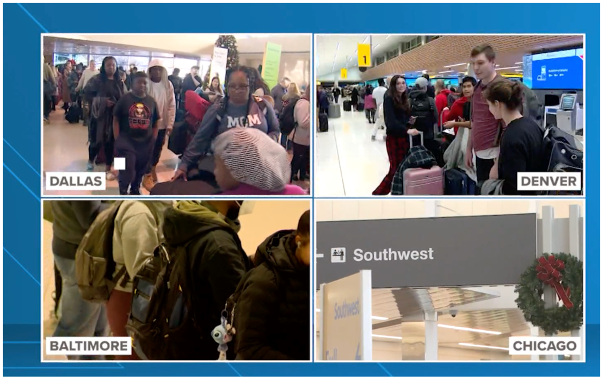
 Southwest suffered a significant operational meltdown towards the end of 2022. Bad weather and old IT systems froze one of the country’s biggest passenger airlines. Holiday travelers were stranded across the country, while their luggage went somewhere else. Pictures of rows and rows of unclaimed luggage were all over the news. While Southwest is working on providing refund or miles credit to its customers, its brand will not recover any time soon. This travel meltdown has damaged its reputation and broken many travelers’ hearts. I personally know, as a person who travels a lot, that I have already started avoiding booking on Southwest.
As leaders, there are many lessons to be learned from the meltdown of Southwest during the holidays, especially when it comes to communication.
Lesson One: Listen to your Frontline
A 35 year SWA pilot, Larry Lonero, described how leaders in Southwest stopped focusing on operations and became more focused on finance and Wallstreet instead.
He says: “Herb Kelleher was the brilliant CEO of SWA until 2004. He was a very operationally oriented leader. Herb spent lots of time on the frontline. He always had his pulse on the day-to-day operations and the people who ran it. When Herb retired in 2004, Gary Kelly became the new CEO. Gary was an accountant by education and his style leading Southwest Airlines became more focused on finances and less on operations. He did not spend much time on the frontlines. He didn’t engage front line employees much.”
As leaders, we MUST spend time in the trenches, engage our employees and listen to their hassle factors. That is our #1 job.
Lesson Two: Be Proactive. Tell Your story First. Manage the Narrative.
Short of information, people make up their own stories. Thanks to social media, everything will be magnified quickly, especially when showing emotional pictures and stories of stranded families unable to get to their families for the Christmas holidays.
SWA missed the timing of communication. As the perfect storm was brewing, Southwest essentially said…nothing. At least at first, when it mattered.
Instead, the pilot union stepped in to describe the problem, like this SWA pilot, Larry Lonero, who worked at SWA for 35 years, did. As a leader and business owner, it is better to be first to frame the narrative than to spend your time on the defensive. This is the time for accepting responsibility and apologizing.
Lesson Three: Tell the Truth, Apologize and Show Empathy
When SWA initially released their message, it was heartless and deflecting accountability and ownership. They blamed the weather and the need for safety. Whatever happened to the caring Southwest brand? Where is the expression of empathy for the passengers, the implications of missing Christmas with their families and suffering of the Southwest staff on the frontlines?
Instead, SWA could have come out and showed their brand of care and empathy by apologizing and saying that their scheduling system failed and they are doing everything they can to fix it. They instead kept blaming the weather while other airlines did not have that many cancelations.
Lesson Four: During a Crisis, Lead from the Front
During a crisis, how leaders behave sends a powerful message. In the heat of the travel meltdown, we did not see SWA leaders in the trenches handling bags, answering the phones, buying coffee or dinner for stranded families. Instead, we saw some corporate leaders on the nightly news providing excuses of weather and apologizing.
Imagine how different it would have been if Southwest leaders rolled out their sleeves and were visible in the trenches with the front line staff, the families and what message that would have sent?
And one last bonus lesson: Choose a direct flight and don’t check your bag next time you travel.